Why Yoga for Children Is Becoming Essential for Academic Success
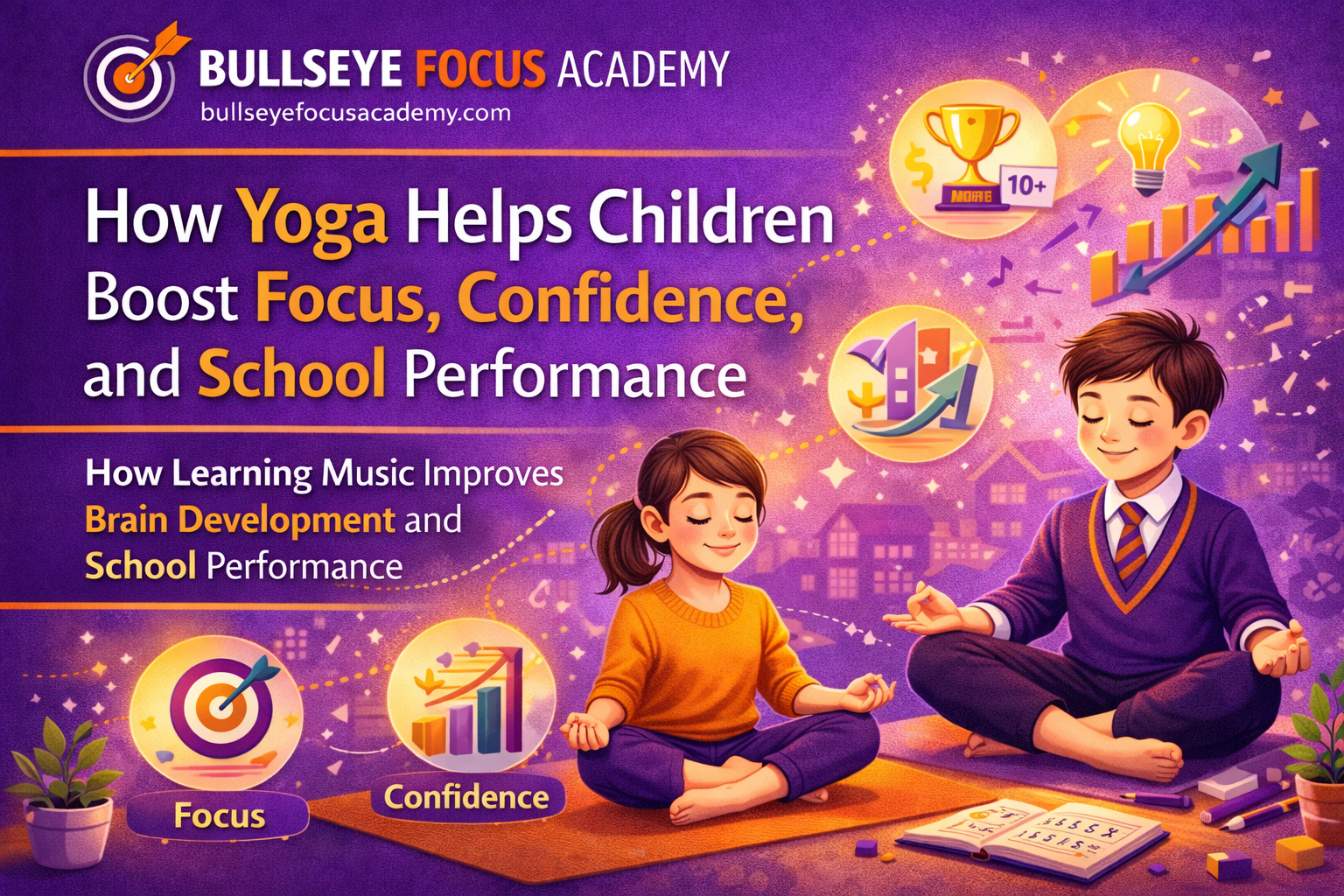
Today, many parents across the UK are looking for natural and effective ways to support their child’s academic performance. Yoga for Children is gaining popularity as a simple yet powerful method to improve focus, reduce stress, and build confidence.
With increasing academic pressure, screen time, and competition in schools, children often struggle with concentration and emotional balance. Parents are now exploring holistic approaches recommended by trusted organisations such as NHS, which highlights the importance of physical activity and mental well-being in children’s development.
Yoga provides a balanced approach that supports both the mind and body, helping children stay calm, focused, and ready to learn.
How Yoga for Children Improves Focus and Concentration
One of the biggest benefits of Yoga for Children is improved concentration. Yoga teaches children to stay present and aware through breathing exercises and mindful movements.
Regular practice helps:
- Improve attention span
- Increase memory retention
- Enhance listening skills
When children develop better focus, they are able to complete homework more efficiently and understand concepts more clearly in school.
Educational guidance platforms such as https://www.bbc.co.uk/bitesize also emphasise the importance of concentration and consistent practice for better academic performance.
Yoga for Children Helps Reduce Stress and Exam Anxiety
Many children experience stress during exams or while managing schoolwork. This can affect both their confidence and performance.
Yoga for Children helps reduce anxiety through simple breathing techniques and relaxation exercises. These practices calm the nervous system and allow children to think clearly under pressure.
With regular yoga practice, children:
- Feel more relaxed during exams
- Manage pressure better
- Develop a positive mindset
This emotional stability plays a key role in achieving better academic results.
Building Confidence and Self-Esteem Through Yoga for Children
Confidence is essential for academic success. Children who lack confidence often hesitate to participate in class or attempt challenging tasks.
Yoga for Children builds self-confidence by encouraging self-awareness and positive thinking. As children improve their physical balance and mental focus, they begin to trust their abilities.
This leads to:
- Greater classroom participation
- Willingness to try new challenges
- Improved communication skills
Over time, children develop a strong sense of self-belief, which supports both academic and personal growth.
Supporting Emotional Well-being and Positive Behaviour
Academic performance is closely linked to emotional health. Children who feel stressed or overwhelmed may struggle to concentrate and learn effectively.
Yoga for Children helps manage emotions such as frustration, anger, and anxiety. It encourages calmness and patience, which improves overall behaviour.
Parents often notice:
- Better mood and emotional control
- Improved sleep patterns
- Increased motivation to study
Guidelines from https://www.nhs.uk/conditions/stress-anxiety-depression/children-young-people/ also highlight how managing stress can improve a child’s overall well-being and learning ability.
Enhancing Memory and Learning Ability
Another important benefit of Yoga for Children is improved brain function. Yoga increases blood flow to the brain, which supports memory and cognitive development.
Children who practise yoga regularly often show:
- Better recall during exams
- Improved understanding of concepts
- Enhanced problem-solving skills
This directly contributes to better academic performance in school.
Encouraging Healthy Study Habits
Developing good study habits is essential for long-term academic success. Many children struggle with consistency and discipline when it comes to studying.
Yoga for Children helps create a calm and focused mindset, making it easier for children to follow structured study routines.
With improved attention and patience, children can:
- Stay focused for longer periods
- Complete tasks without frustration
- Maintain consistent study habits
For parents looking to combine academic support with holistic development, it’s helpful to explore structured learning programs such as
https://bullseyefocusacademy.com/
which provide guided academic support alongside skill development.
Balancing Academic Learning with Holistic Growth
Modern education is not just about academic scores. It also involves developing life skills such as discipline, focus, and emotional intelligence.
Yoga for Children complements academic learning by improving overall personality development. It helps children become more balanced, focused, and motivated learners.
Parents can also explore additional learning resources and courses here:
https://bullseyefocusacademy.com/shop/
Combining yoga with structured learning creates a well-rounded approach to education.
Key Benefits of Yoga for Children
- Improves concentration and attention span
- Reduces exam stress and anxiety
- Builds confidence and self-esteem
- Enhances memory and learning ability
- Promotes emotional balance
- Encourages better sleep
- Supports healthy study habits
- Improves classroom participation
- Helps manage academic pressure
- Develops discipline and patience
Conclusion
Yoga for Children is a powerful and natural way to support a child’s academic journey. It improves focus, builds confidence, and enhances emotional well-being, all of which are essential for success in school.
For parents looking to help their children perform better academically without adding extra pressure, yoga offers a simple and effective solution. When combined with proper academic guidance, it creates a strong foundation for long-term success.