Why Parents Are Choosing the Benefits of Music Classes for Kids
Today, parents across the UK are increasingly focusing on their child’s overall development, not just academic performance. The Benefits of Music Classes for Kids go far beyond learning an instrument—they support brain development, emotional growth, and academic success.
Many parents often search questions like:
- Does music improve concentration in children?
- Can music help with memory and learning?
- Is music useful for academic success?
Research-backed insights from trusted organisations like BBC (https://www.bbc.co.uk) highlight how creative learning activities such as music can significantly improve cognitive development in children.
Music education provides a balanced approach that enhances both creativity and intelligence, making it a valuable addition to a child’s routine.
How the Benefits of Music Classes for Kids Support Brain Development
One of the most important Benefits of Music Classes for Kids is its impact on brain development. Learning music activates multiple areas of the brain at the same time, improving cognitive functions.
Children who engage in music learning often:
- Improve memory retention
- Strengthen listening and auditory skills
- Enhance pattern recognition
- Develop better coordination
- Boost analytical thinking
According to educational insights shared on https://www.nhs.uk, activities that engage both mind and body help improve overall brain function and learning ability.
These cognitive improvements directly support subjects like Maths, English, and Science, helping children perform better academically.
Improving Concentration and Discipline Through Music
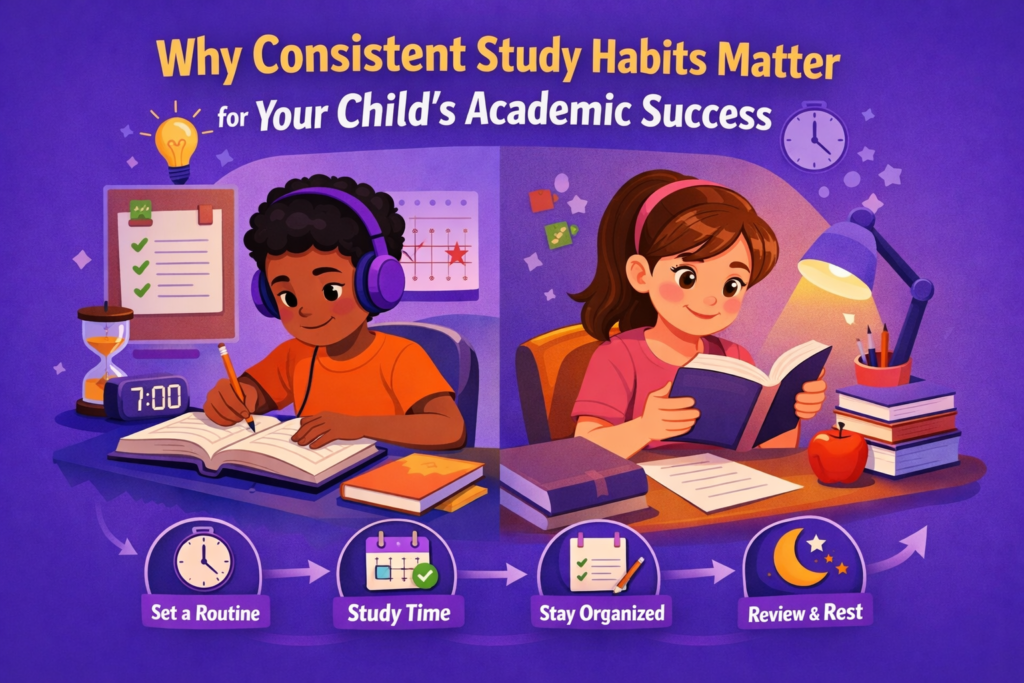
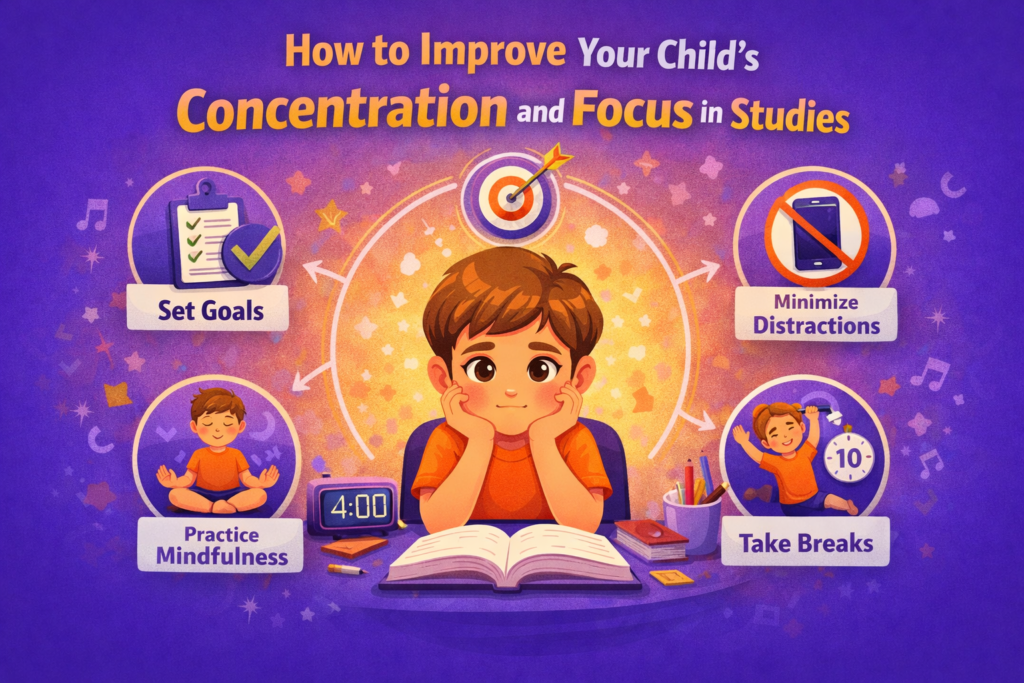
Music training requires regular practice, patience, and focus. This is why another key Benefits of Music Classes for Kids is improved concentration and discipline.
Children attending music classes develop:
- Strong focus during practice sessions
- Better time management skills
- Consistency in learning
- Patience and perseverance
These habits are essential not only for music but also for academic success. When children learn to concentrate for longer periods, they can complete schoolwork more effectively.
Building Confidence and Emotional Expression
Music is a powerful tool for self-expression. One of the most valuable Benefits of Music Classes for Kids is how it helps children build confidence.
Through music learning, children can:
- Overcome stage fear
- Express emotions creatively
- Improve self-esteem
- Build communication skills
Performing in front of others or mastering a new skill gives children a sense of achievement. This confidence often reflects in classroom participation and exam performance.
Why One-to-One Music Tuition Is More Effective
Every child learns music at a different pace. Some may pick up rhythm quickly, while others need more guidance and practice.
One-to-one sessions enhance the Benefits of Music Classes for Kids by providing:
- Personalised attention
- Custom lesson plans
- Immediate feedback
- Flexible scheduling
- Individual progress tracking
This tailored approach ensures that children learn more effectively and gain confidence in their abilities.
Supporting Academic Performance Through Music Learning
Music and academics are closely connected. One of the strongest Benefits of Music Classes for Kids is improved academic performance.
Children who learn music regularly often:
- Perform better in Maths and Language subjects
- Improve memory and recall
- Develop creative thinking
- Enhance problem-solving skills
Studies and educational content available on https://www.bbc.co.uk/bitesize show how consistent learning habits and mental engagement improve academic outcomes.
Music strengthens brain connections, making it easier for children to process and retain information.
Encouraging Creativity and Holistic Development
Creativity is an important skill for future success. The Benefits of Music Classes for Kids include developing imagination and creative thinking.
Music encourages children to:
- Think creatively
- Explore new ideas
- Develop artistic skills
- Stay emotionally balanced
This holistic development helps children grow not only academically but also personally.
Combining Music Learning with Academic Support
For best results, music learning should be combined with structured academic support. Parents looking to enhance their child’s learning journey can explore:
👉 https://bullseyefocusacademy.com/
for structured academic mentoring and guidance.
Additionally, parents can access various learning programs and skill-based courses here:
👉 https://bullseyefocusacademy.com/shop/
This combination of academic learning and creative development ensures well-rounded growth.
Key Benefits of Music Classes for Kids
- Improves memory and brain development
- Enhances focus and concentration
- Builds discipline and consistency
- Boosts confidence and self-esteem
- Encourages emotional expression
- Supports academic performance
- Develops creativity and imagination
- Improves listening and communication skills
- Provides personalised learning opportunities
- Promotes overall personality development
Conclusion
The Benefits of Music Classes for Kids extend far beyond learning an instrument. Music plays a crucial role in improving brain development, enhancing academic performance, and building confidence.
For parents looking to provide a balanced and effective learning experience, music education is a powerful tool. When combined with structured academic support, it helps children develop the skills needed for long-term success in both education and life.